South Carolina Public Radio (SCETV)
Statewide public radio coverage with weather, public safety, interviews, and community updates that stay useful when the weather turns serious.

South Carolina mode: when the coast gets twitchy, the rivers rise, or the sky starts rotating, this is your one-tab dashboard for live radio, local TV coverage, and official National Weather Service alerts. Built for hurricanes, flash floods, coastal flooding, tornado threats, and fast-moving severe weather.
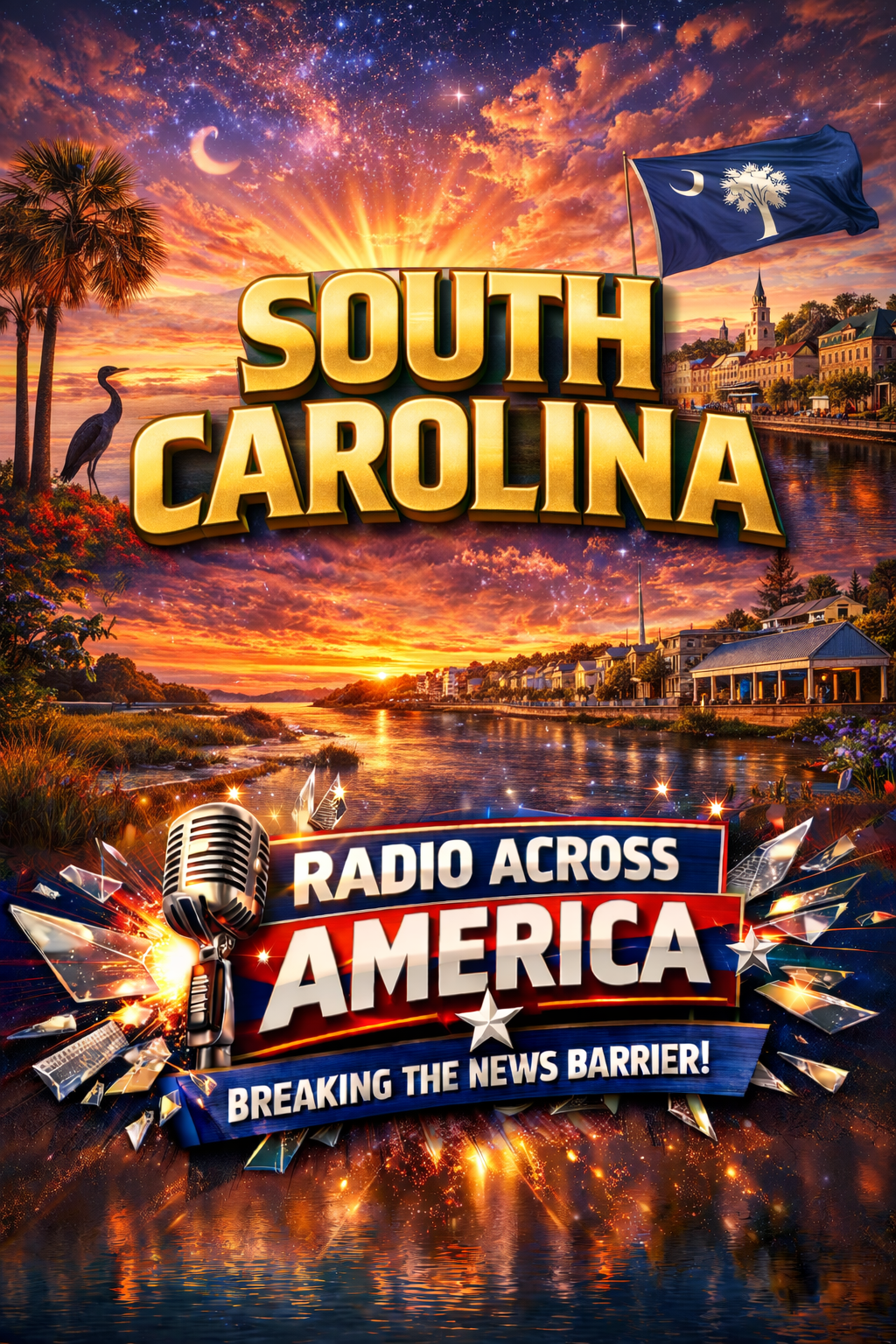
Statewide public radio coverage with weather, public safety, interviews, and community updates that stay useful when the weather turns serious.
York County and Rock Hill local reporting with practical community-first signal, especially helpful when you need grounded regional updates.
Old-school emergency MVP: NOAA Weather Radio info, transmitter maps, and backup-alert logic when internet or power conditions get sketchy.
Official preparedness guidance, emergency information, hurricane resources, and situational updates for state-level response.
Road conditions and closures when storms flood routes, knock down debris, or create travel trouble across the state.
Best use case: combine a live radio source with NWS warnings and one local TV station so you get both official alerts and real local context.
Midlands breaking news and severe weather coverage with livestream access and practical storm updates.
Storm tracking and community updates across central South Carolina when warnings, flooding, or power issues start stacking up.
Lowcountry hurricane coverage, coastal flood updates, evacuation information, and regional weather reporting.
Upstate storms, traffic disruptions, and broader regional breaking coverage when weather impacts start expanding.
Upstate weather and emergency reporting when warnings hit fast and local conditions shift by the hour.
When hurricanes, tornado warnings, and flash flooding start getting messy, local TV often shows the road, radar, neighborhood, and river context that raw headlines miss.
The fastest route is the National Weather Service alerts section on this page. You can also open the official alerts page at weather.gov/alerts for warnings, watches, advisories, and emergency statements.
Run one live radio stream for local voice updates, keep one TV source ready for visual coverage, and use the NWS alert feed to verify official warning text and instructions. That mix usually beats doom-scrolling by a mile.
Because fast-changing weather is easier to follow when you can hear local updates, see local coverage, and confirm official warning details in one place instead of bouncing between scattered tabs and broken feeds.
Starring: Robert Donat, Madeleine Carroll
Directed by the legendary Alfred Hitchcock, The 39 Steps is one of cinema's earliest masterclasses in suspense. An ordinary man suddenly finds himself accused of murder and forced into a dangerous race across Britain while trying to uncover an international espionage conspiracy. Filled with unforgettable twists, witty dialogue, and relentless pacing, the film established many of the storytelling techniques that Hitchcock would later perfect throughout his remarkable career.
⭐ OTVnet Review
"The 39 Steps is the blueprint for the modern spy thriller. Long before James Bond, Jason Bourne, or Mission: Impossible, Alfred Hitchcock showed audiences how to build suspense through mystery, mistaken identity, and nonstop momentum. Every chase, every clue, and every unexpected turn pulls viewers deeper into a story that still feels remarkably fresh nearly ninety years later. Hitchcock's brilliant direction transformed a simple man-on-the-run story into one of the most influential thrillers ever made. OTVnet proudly recognizes The 39 Steps as an Essential American Classic and a milestone in the evolution of suspense cinema."
🎥 Year: 1935
🎭 Genre: Spy Thriller • Mystery • Suspense
🎬 Director: Alfred Hitchcock
⏱ Runtime: 86 Minutes
🕵️ Why It Matters: The 39 Steps introduced many of the storytelling techniques that define modern espionage films, including the innocent fugitive, secret organizations, coded information, and high-stakes pursuit. Its influence can be seen across generations of spy and action films.
About OTVnet:
Since 1997, OTVnet has celebrated independent media,
timeless cinema, and the storytellers who forever changed the art of
filmmaking. Through Radio Across America, each state
page highlights an Essential American Classic, preserving the films that
continue to inspire audiences and filmmakers around the world.